Would people miss the Church of England if we were gone?
What the media reaction to the appointment of the new Archbishop of Canterbury tells us about Britain’s relationship with the church
Is the Church of England still relevant? Would people miss it if it weren’t there? Well, the playwright Alan Bennett once observed:
I’m not a practising believer, but I’m very much a Church of England atheist. I don’t go to church, but I like the idea of the Church being there.
That idea of the Church of England being a nice thing to have around, even if you don’t really have anything to do with it, is more common than you might think. But would people miss it if it wasn’t there? Well, whether people in general, in an age where most of the population in this country don’t go to church, would miss the Church of England if it wasn’t there is an interesting question to ponder. Everyone who lives in England has the legal right to be married, have their children baptised, and to have their funeral in their parish church. And in the Church of England, uniquely, clergy have the pastoral care of everyone who lives in the parish – even atheists, or those who attend other churches, or even those of other faiths – and are there for them whenever needed.
But what would people do if the Church of England withdrew its ministry? And all the other denominations as well?
King John and the Archbishop
In fact, this has already happened, albeit a long time ago. In 1207 Pope Innocent III chose Stephen Langton to be the new Archbishop of Canterbury after the previous Archbishop died. King John wanted to appoint his own candidate, and refused to allow Stephen Langton to land in England and take up office.
The Pope wasn’t about to let King John run the Church for him in England. So he threatened the King with an Interdict. King John refused to give way and so in 1208 the Interdict came into force. This meant that all services and sacraments were suspended with the exception of baptism, confession and the last rites. There were no Sunday services, no masses, no weddings, no burials even, done by the Church. Even church bells were stopped from ringing, though possibly those who lived near a church might have thought that was a good thing!
And when we get fixated about attendance numbers, it’s worth remembering it was a time when numbers dropped to zero!
Well, King John refused to back down and two years later was excommunicated. It wasn’t until 1214 – the year before King John was forced to sign Magna Carta – that he finally gave in and submitted to the Pope’s authority and the Interdict was officially lifted in Saint Paul’s Cathedral. The following year, King John was forced to sigh Magna Carta, a document that Archbishop Langton had a key role in drafting – yes, the Church involving itself in politics is nothing new!
This all came to mind recently because of the vacancy at Canterbury and the long deliberations of the Crown Nominations Commission over who should be the new Archbishop. Despite many saying the Church is no longer relevant, there was a great deal of interest across the media. What the Church of England does is still hugely important to many people, and it is still hugely relevant in the life of our nation. There are many people who, like Alan Bennett, may not go to church but they like the idea of it being there – and they’re interested in its goings on and in what it has to say and contribute.
Would people notice today if the Church of England wasn’t there? – I think they would.
The new ABoC
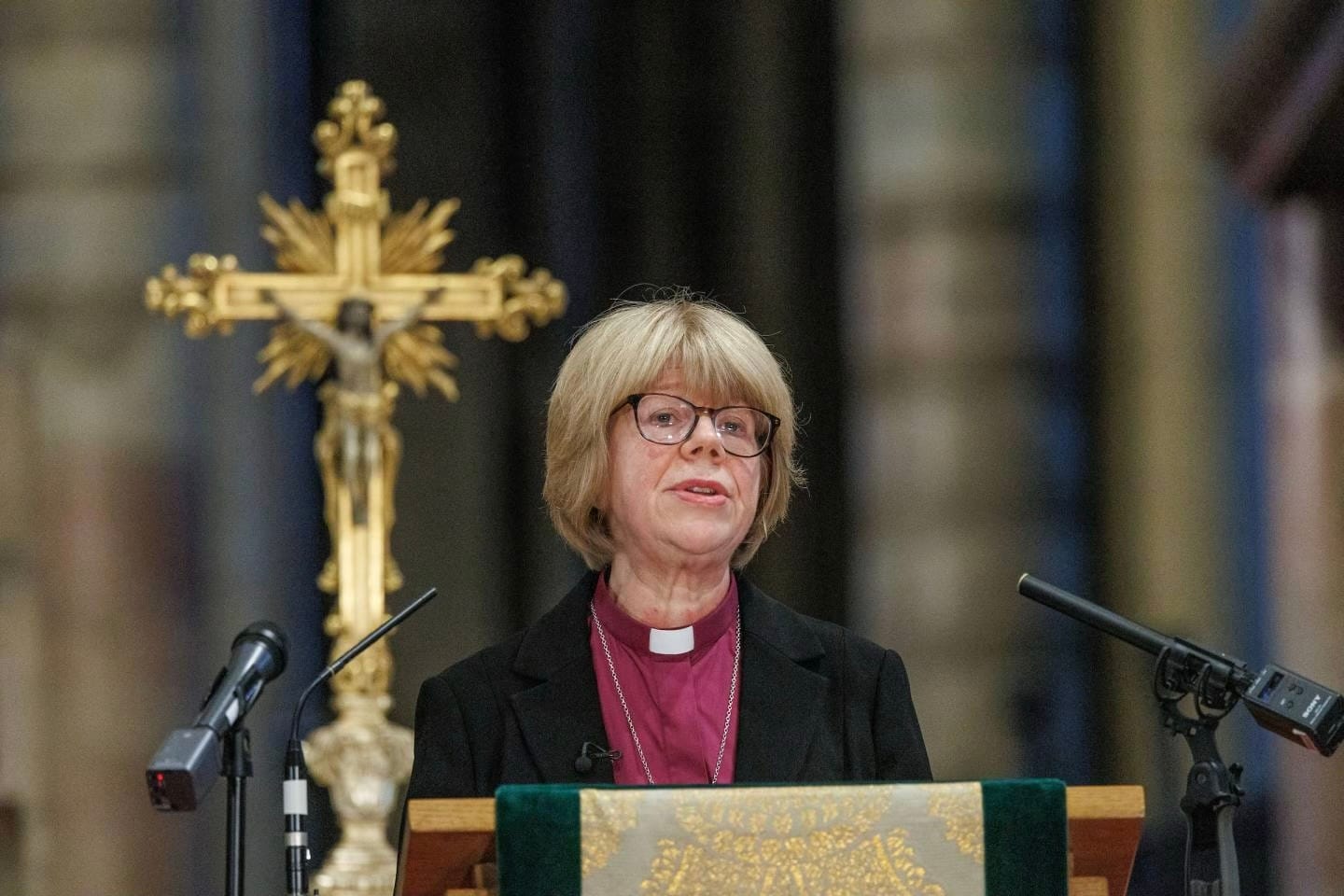
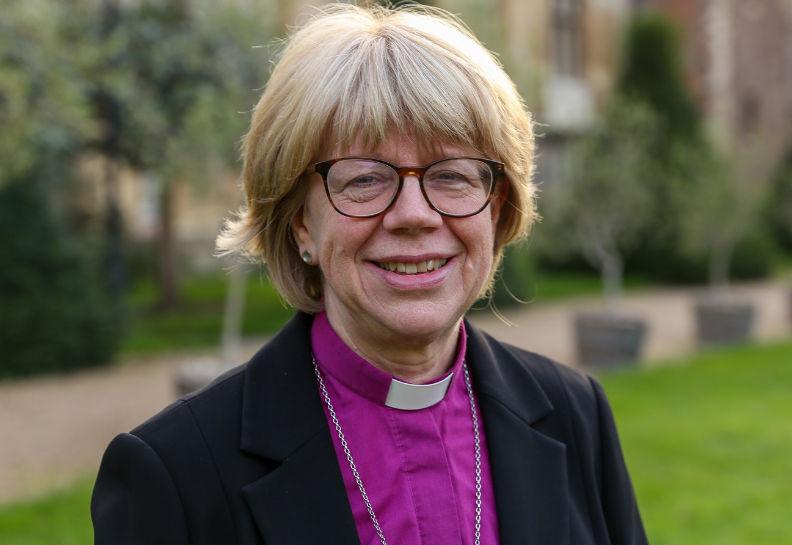
We now, of course, have a new Archbishop of Canterbury, Dame Sarah Mullaly. As the spiritual leader of the Church of England, her role extends beyond ministering solely to those who regularly attend church. She is called to offer spiritual care and guidance to everyone in our country, regardless of their personal beliefs or connection to the Church.
Dame Sarah steps into this role during a period marked by significant challenges. Our world is facing a multitude of issues, and there are deep divisions within our nation over various political matters. The path ahead for her is undoubtedly demanding, and the responsibilities she carries are considerable.
I would encourage you to make it a regular practice to pray for Dame Sarah. Through our prayers, we can support her ministry, so that even those who feel distant from the Church of England may come to know that they are valued, loved, and included. Most importantly, let us pray that Dame Sarah is granted the courage and wisdom needed to speak out on behalf of the Church, especially when addressing those who hold positions of power.